
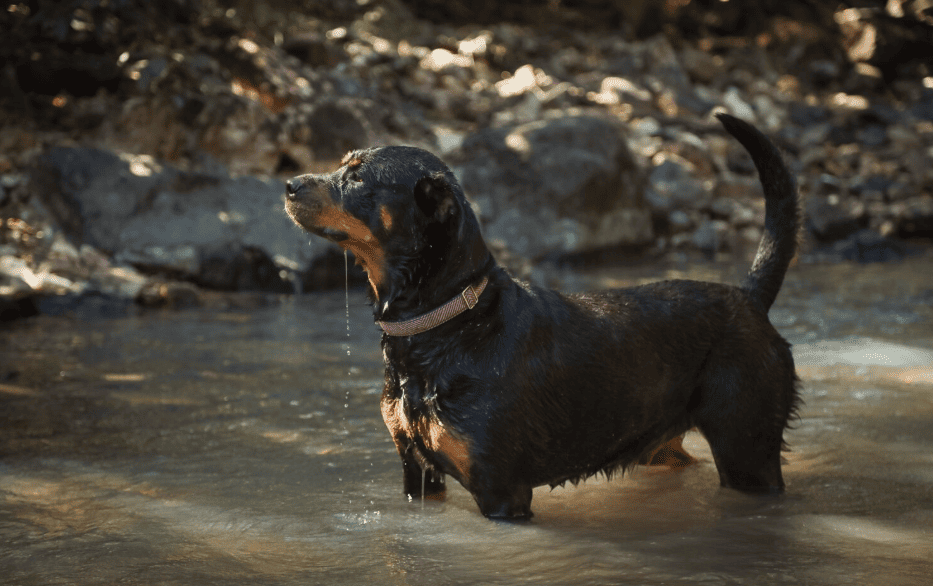
Seeing your dog jump into the water to get a ball thrown into a lake, pool, or beach is a very fun sight indeed! Water Fetch is one of the most common pastimes of highly active breeds such as Labrador Retrievers, Golden Retrievers, and Spaniels. However, one thing that most dog owners do not know is that this particular sport may pose great danger, leading to Dry Drowning in Dogs, Near-Drowning in Dogs, and even secondary drowning in dogs.
Although rare, if left untreated, they could prove fatal. Knowing the dangers, signs, and ways to avoid them will ensure that you have nothing to worry about each time your pet dives into the water.
Why Fetching Balls in Water Can Be Risky
Dogs naturally swallow water while swimming, especially when continuously chasing floating objects. Unlike normal swimming, where they keep their mouths closed, fetching compels dogs to keep their mouths open while paddling, allowing water to reach the respiratory system more easily.
Repeated water swallowing may irritate the lungs or wash surfactant off, which helps keep the air sacs (alveoli) open. Even a small amount of water entering the lungs can affect oxygen absorption and may cause inflammation, fluid accumulation, or pneumonia.
Dogs are more likely to have water enter their lungs when they:
- Chase balls without pausing
- Swim in turbulent waters
- Get too excited while fetching
- Play without taking a rest
- Inhale water while diving or jumping
Understanding Dry Drowning in Dogs
Dry Drowning in Dogs is the term for difficulties breathing after water contact, even though only a small amount of fluid enters the lungs. The veterinary specialists see it as one of the types of aspiration injury and post-drowning symptoms.
Inhalation of water can irritate the airways, leading to inflammation and shortness of breath. But sometimes symptoms may be delayed, and the owners think that their dog is absolutely healthy after swimming.
Despite being a common term among dog owners, the term dry drowning can be used interchangeably with aspiration injury, pulmonary edema, and post-immersion respiratory symptoms in a veterinary practice.
What Is Near-Drowning in Dogs?
Near-Drowning in Dogs refers to the condition in which a dog survives a water event but develops respiratory difficulty due to water entering its airways or lungs.
This may occur after:
- Swimming in ponds or pools
- Falling into deep water
- Playing with toys continuously
- Getting stuck in the waves
- Long-term playing in water leading to exhaustion
Dogs that appear fine even after the event must be observed for 24 to 72 hours.
What Is Secondary Drowning in Dogs?
Secondary drowning in dogs is characterized by the development of lung damage that occurs as a result of water inhalation after some hours. Inflammation gradually increases over several hours, unlike respiratory failure, which occurs immediately. Inhaling water causes the following effects:
- Decreased ability to absorb oxygen
- Inflammation of the lungs
- Formation of fluid
- Aspiration pneumonia
What Is Canine Drowning?
Canine drowning occurs when a dog is unable to breathe because its airways are submerged in water, preventing oxygen from reaching the lungs. Dogs that survive a drowning incident may develop complications such as near-drowning in dogs, aspiration pneumonia, or delayed respiratory problems, often referred to as secondary drowning in dogs. Immediate veterinary attention is critical after any suspected drowning event.
Signs Your Dog May Have Water in Their Lungs
Observe your dog after their swim, particularly if they were seen coughing persistently or struggling when retrieving objects from the water. Some common indicators of a problem may be:
- Coughing
- Difficulty breathing
- Wheezing
- Noisy breathing
- Exhaustion
- Fatigue
- Lack of interest in eating
- Pale or blue gums
- Vomiting
- Anxiety
- Trouble getting up
- Inability to stand in severe cases
Why Tennis Balls Increase the Risk
Most veterinarians advise against excessive fetch games with tennis balls, as they are small and can encourage dogs to clench their jaws while swimming with their mouths open.
Such a scenario would result in:
- Water going into the mouth
- More likelihood of swallowing water
- Longer duration of retrieving games through continuous throwing
- Physical tiredness
Using floating bumpers or other safer retrieval toys could help minimize the amount of water your dog swallows.
Which Dogs Are at Higher Risk?
Certain dogs are at higher risk of respiratory complications after swimming. These dogs are:
- Brachycephalic breeds (Bulldogs, Pugs, Boston Terriers)
- Older dogs
- Young puppies
- Heart disease
- Respiratory issues
- Obese dogs
- Dogs that get tired easily
- Dogs that love playing fetch endlessly
What To Do If Your Dog Inhales Water
In case you think that your pet has ingested some water:
- Stop swimming right away
- Give your dog a chance to relax in a tranquil setting
- Ensure that he stays warm and dry
- Observe his breathing for 24-72 hours
- Do not encourage physical activity
- Consult your vet if your dog starts to cough or has any problems breathing
Take your dog to the emergency veterinary clinic if he is having trouble breathing or collapses.
How Veterinarians Treat Water Inhalation Injuries
Treatment is based on the severity of lung injury. Your veterinarian might suggest:
- Oxygen therapy
- X-rays of the chest
- Measurement of blood oxygen level
- IV fluids (in certain cases)
- Medication for assisting breathing
- Antibiotics (in case of aspiration pneumonia)
- Hospitalization for observation
- Prompt treatment helps in recovery
Tips to Prevent Water-Related Lung Problems
Thankfully, prevention is very easy.
- Confine fetch games to short periods.
- Allow plenty of time-outs for your dog.
- Use bigger floatable toys made for water play.
- Do not throw your dog over long distances continuously.
- Do not make a fatigued dog keep swimming.
- Monitor all water play times.
- Look out for coughing while playing.
- Stay away from choppy water.
- Provide water so your dog will not drink lake/pool water.
When Should You See a Vet?
Do not ignore coughing or breathing problems after your dog swims. Your dog should be seen by a veterinarian immediately if they:
- Cough after getting out of the water
- Breathe faster than usual at rest
- Appears to be excessively tired
- Refuse to eat
- Have difficulty breathing
- Have blue or pale gums
- Become unconscious or unresponsive
Final Thoughts
Swimming is one of the ideal forms of exercise for dogs. Still, repetitive water fetching may lead to Dry Drowning, Near-Drowning, and even secondary drowning in dogs due to water inhalation. Fortunately, such problems are not very common and can be easily avoided by providing proper supervision and control during fetch games and swimming.
If your dog shows any signs of coughing, trouble breathing, or fatigue after swimming, do not wait until it gets better. Immediate treatment by a vet will provide the best chance for a complete recovery from the disease.Get in touch with Pooches N’ Pals Inc. to know more. We offer soothing and relaxing grooming services that are centered on your pets’ safety and well-being – because all dogs deserve such treatment.